
LULLABY MY BABY
You know that moment when you're holding a baby who just won't settle? Their little body is tense, their breathing is all hiccupy, and you can feel the frustration radiating off them. And then you start to hum. Or you sing those same, simple words you heard your own mother sing. Almost without thinking, you slip into a rhythm. Your voice drops. The words slow down. And you feel that tiny body just... melt into yours.
Irfan ahmed
10/16/20252 min read
How a Lullaby impact Babies brain and develop their EQ for years to come
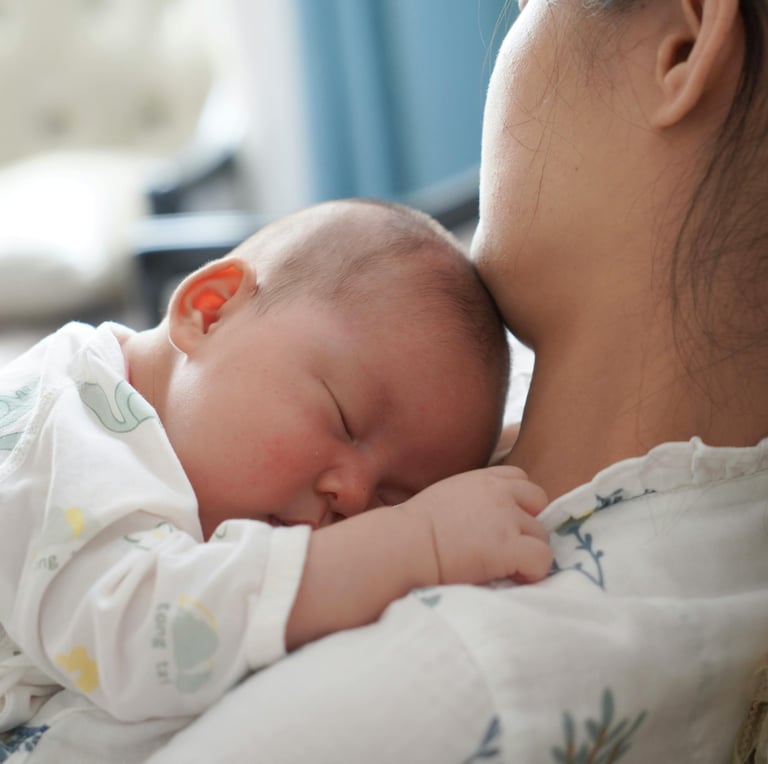
They are simply adorable and very innocent. The birth of a baby is a miraculous event, and all babies deserve to be loved, no matter where they are born.
Lullabies are helpful to put babies to sleep and are useful for adults to enjoy the time that is spent with their children. A lullaby’s magic comes to life in a parent’s voice. These gentle melodies allow parents, who are a child’s first teachers, to impart valuable lessons in a soothing way.
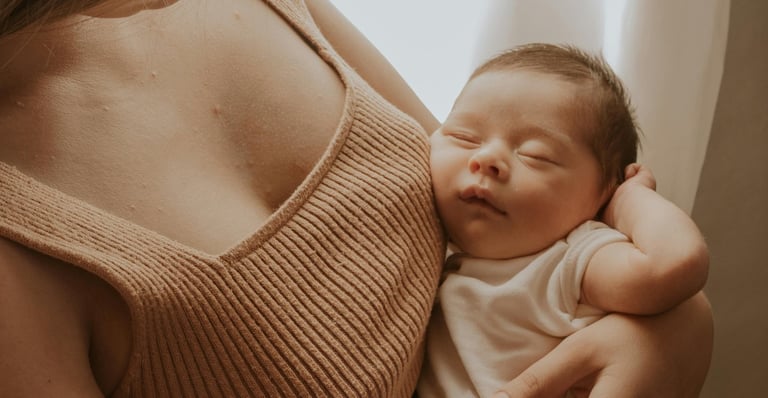

Babies are such cute bundles of joy
It's in the whole experience
It's not in the words, honestly. It's in the whole experience. A lullaby is like a first language for the heart. It's how we teach our babies, before they understand a single word, what it feels like to be soothed. To feel safe. To know that even when they're falling apart, someone is there to hold the pieces together.
Think about it this way.
A baby's world is a whirlwind of new sensations. Hunger is a world-ending crisis. A wet diaper is a major betrayal. They don't have the words for "I'm overwhelmed," so they cry. And when we sing to them, we're doing two incredibly powerful things.
First, we're giving them a mirror for their own feelings. Our calm, steady voice is a reflection that says, "I see your big, messy feelings, and I'm not scared of them. I'm here with you." That's the foundation of empathy—learning to recognize and sit with an emotion without being consumed by it.
Second, we're co-regulating. It's a fancy term for something beautifully simple: our calm becomes their calm. Our steady breathing and heartbeat, slowed down by the song, literally guide their tiny nervous system back to center. They're learning, on a biological level, how to downshift from panic to peace. That's self-regulation in its most primitive, essential form.
The magic isn't just for them
When you're singing that lullaby, you're not just performing a task. You're slowing down, too. You're focusing on the curve of their cheek, the weight of their head on your shoulder. You're letting go of the to-do list and just being present. In a weird way, the lullaby regulates you both. It builds this little bubble of "we're in this together."
It's also their first conversation. The back-and-forth of your voice, the pauses, the gentle rise and fall... it's teaching them the rhythm of human connection. They learn that communication isn't just about getting a need met; it's about sharing a moment. It's about the quiet space between the notes.
So when you sing "Hush, Little Baby," you're not just promising a looking glass. You're building the very architecture for how they'll handle stress, how they'll connect with others, how they'll understand their own inner world for the rest of their life.
You're not just putting a baby to sleep. You're building a human.
And honestly? You don't need a perfect voice. You just need your voice. The one that says, without any words at all, "You are safe. You are loved. We can get through this big feeling together."